









DOJ Erases "Not One More" MMIP Report: The Political Paradox Endangering Indigenous Lives
The Justice Department quietly removed the "Not One More" report on Missing and Murdered Indigenous People. Erasing this data puts Indigenous lives at greater risk.
I first heard about the “Not One More” report as a piece of official government documentation, but as I read it, something shifted. It felt less like a bureaucratic report and more like a lifeline for thousands of families who have waited for decades to be seen and heard.
In February 2025, the U.S. Department of Justice removed this 212-page report from its website. Official statements cited the Office of Personnel Management’s guidelines on President Trump’s executive order about gender definitions. But for many families, activists, and tribal leaders, this wasn’t just a decision about administrative protocol, it was about silencing a sacred truth. It was about erasing the stories that have haunted Native communities for generations.
This action wasn’t just about losing a file on a webpage. It felt like an erasure of all the voices that had poured into this document. For too long, Missing and Murdered Indigenous People (MMIP) have been a silent crisis. The removal of this report added to the silence, making it easier for the pain of Native communities to be ignored again.
The "Not One More" Report: Why It Was So Important
The “Not One More” report was created under the Not Invisible Act, a law passed in 2020 after years of tireless advocacy from tribal leaders, survivors, and families. This report was not just a collection of findings; it was a record of the pain and grief of families who have been forced to wait too long for justice.
In this report, the commission found that:
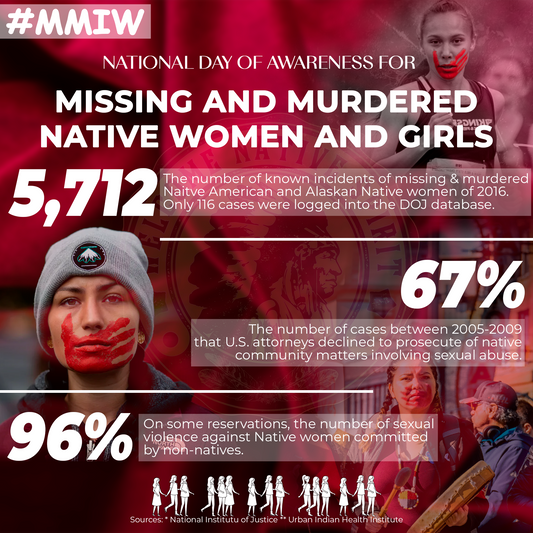
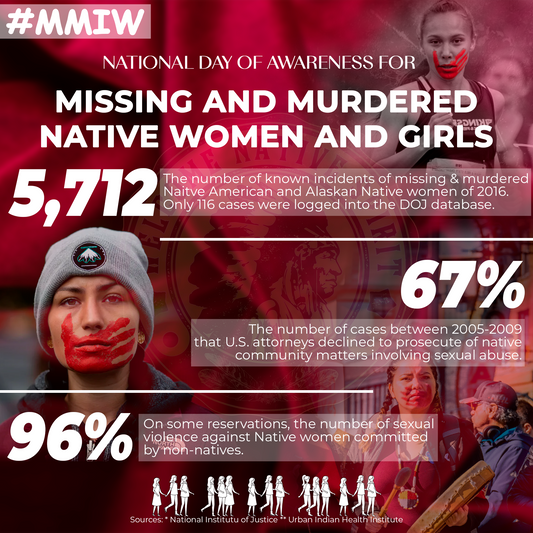
- - 84% of Native American and Alaska Native women experience violence in their lifetime.
- - Homicide remains a leading cause of death for Native women.
- - Thousands of Indigenous people are missing or murdered every year, but many cases remain unsolved or underreported.
This report was a stark reminder of the epidemic of violence facing Native people every day. It gave names to the faces of the missing and the murdered. But more than that, it offered hope, it showed a way forward. It called for changes to the system, demanding reforms in law enforcement, data collection, and victim services to protect Native communities and ensure that families no longer have to face this devastation alone.
Why Removing It Feels Like a Betrayal
When the Justice Department removed the report, many of us saw it not just as a political maneuver, but as a personal betrayal. For Carmen Harvie, president of the Missing and Murdered Indigenous People Oklahoma chapter, this report was deeply personal. She served on the commission not as a political figure, but as a family member of someone who was murdered. For her, this report was never just a document, it was a tool to guide funding, expand resources, and support families who need it most.
When she spoke out, she didn’t just speak for herself, she spoke for families like hers, who have lived in the shadow of this violence for far too long. Carmen described the removal as “very disrespectful to our people, especially coming from our government.”
Her words hit home because this wasn’t just about a report. This was about life and death, about families and communities that have been calling for change for decades. The removal of the report has silenced those calls, just as Native families have been silenced for centuries.

Lawmakers and Tribal Leaders Demand Action
When Senator Catherine Cortez Masto and Senator Lisa Murkowski expressed their outrage, they made it clear: this report must be restored. For them, it wasn’t just about policy it was about human lives.
This report was a call to action not just a reflection of past pain but a roadmap for future solutions. By removing it, the Justice Department has made it harder for Indigenous communities to access the tools they need to fight for justice and healing.
This is the reality we’re facing: as long as these stories remain hidden, the crisis continues. The families continue to search. The authorities continue to ignore. The pain of MMIP continues, unanswered.
Advocacy Groups Keep the Fight Alive
Despite the removal, many advocacy groups are keeping the report alive. Organizations like the National Indigenous Women’s Resource Center and the Center for Native American Youth continue to host and distribute copies of the report to ensure that Indigenous communities can access it.
Charolette Gonzales, from the Coalition to Stop Violence Against Native Women, has been vocal about the stakes of this moment. “Native women will die,” she bluntly says, referring to the very real impact of cutting off funding and support for services that could save lives.
What Needs to Happen Now?
The removal of this report is a major setback, but it’s not the end of the road. As Indigenous families, we can’t stop now. We must continue to demand change. Lawmakers, tribal leaders, and advocates must continue to push for:
- 1. The restoration of the report: The Justice Department must restore the “Not One More” report to its website. It must be accessible to the public, to lawmakers, to families.
- 2. Action on recommendations: The 300 recommendations in the report are not just suggestions—they are actionable steps that can save lives. Acting on them is the only way forward.
- 3. Fund victim services: Congress must prioritize funding for Native-led services, shelters, and victim support programs to prevent further loss and help families heal.

Author's Note
When I read the “Not One More” report, I didn’t just read statistics or bureaucratic language. I read the voices of mothers, grandmothers, brothers, sisters, and daughters who have been waiting for justice for so long. These aren’t just numbers on a page—they’re real people, and each one of them matters.
I know that this fight isn’t easy. I know that the system has failed us over and over again. But I also know that we can change it. If we speak up, if we demand accountability, we can make sure that no more lives are lost without a fight.
To anyone reading this: your voice matters. Share this story, talk to your lawmakers, raise awareness. The more of us who stand together, the harder it will be for our stories to be erased. “Not One More” is more than a title, it’s a promise. And it’s a promise that we must keep.
👉 What does “Not One More” mean to you, or to your community?
Feel free to share your thoughts, stories, or questions in the comments below. Every comment, every share helps bring us one step closer to ensuring that the MMIP crisis is no longer ignored.

1 Comment
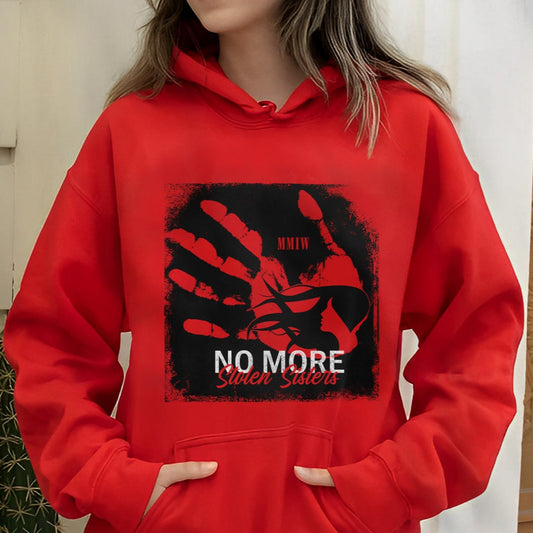
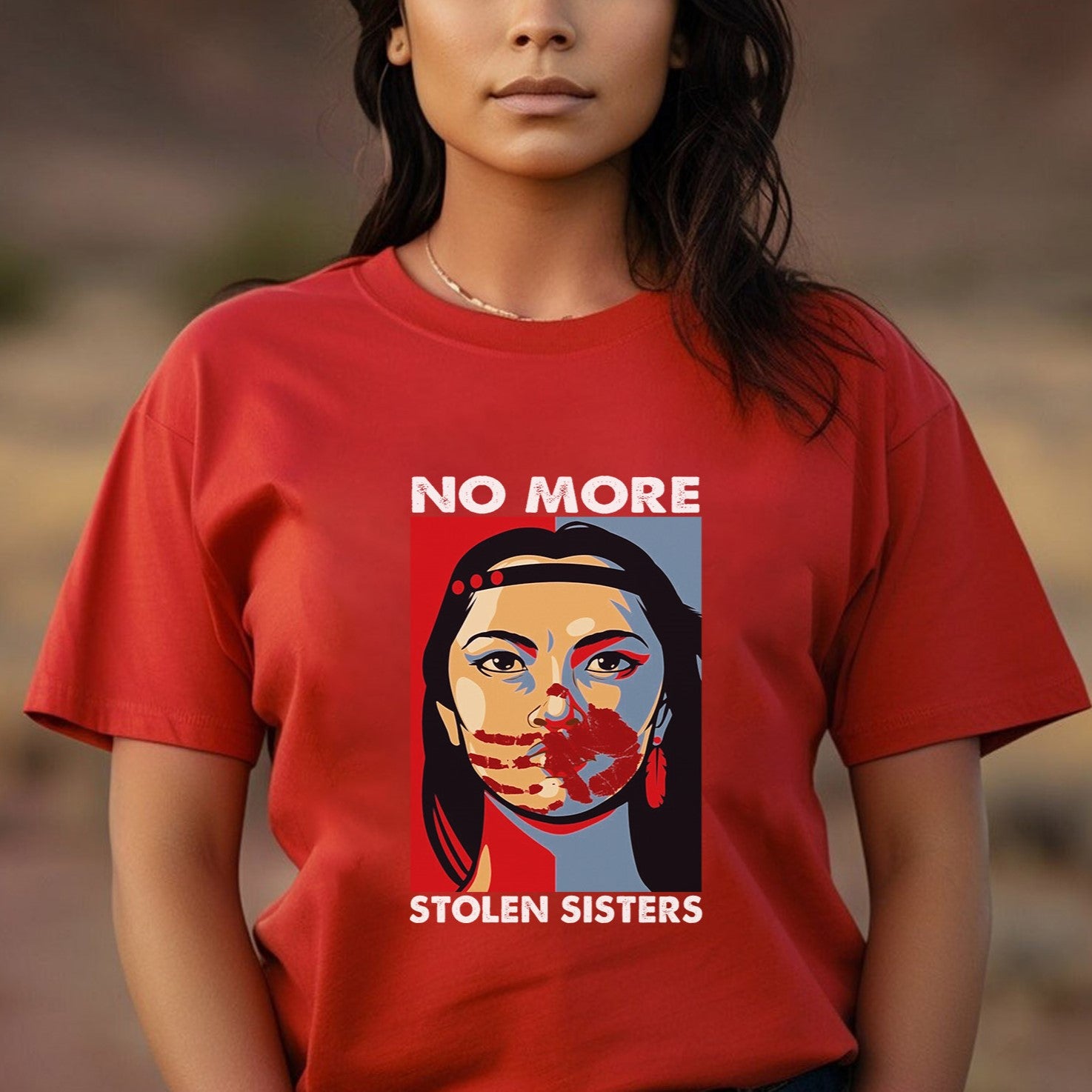
This is a national tragedy of Native People suffering from the blatant acts of murder and disappearances on such a large scale. It’s vitally important for people to know what is happening in the Native communities and turn to activism to call more attention to the injustices and the government’s cruel act of removing the “not one more” report. When we wear the tee-shirts, hats, and other " No More Stolen Sisters" paraphernalia, we call attention to this tragedy. As a teacher, I’ve informed my students about what Indigenous People endure not only in this country, but also throughout the world.
Thank you for sharing your stories.