








The Quiet Classrooms No One Talked About
The Tragic History Of American Indian Boarding Schools — And Why It Still Matters?
There were once school buildings standing quietly across the United States.
Brick walls. Dormitory beds. Classrooms with blackboards.From the outside, they looked like institutions of opportunity.
Inside, they were something else.
It Began With a Promise

In 1879, the first off-reservation boarding school opened under the leadership of Richard Henry Pratt. His school, the Carlisle Indian Industrial School, became the model for what followed.
Pratt’s philosophy was clear. He said:
“Kill the Indian in him, and save the man.”
This was not a metaphor about education.
It was a policy of forced assimilation.
By the early 1900s, the United States had established more than 350 Indian boarding schools across the country. Over time, tens of thousands of Native children were taken from their homes and sent to these institutions.
Some were as young as four years old.
Parents who resisted risked losing food rations or facing legal punishment.
The question is simple: If education was the goal, why were children taken by force?
The First Cut: Hair, Language, Name

A historical illustration reflecting classroom discipline practices in Native American boarding schools.
When children arrived, the transformation began immediately.
Their hair was cut.
Their traditional clothing was taken away.
Their Native names were replaced with English ones.
They were forbidden to speak their own languages. If they did, they were punished.
One former student later testified:
“They washed our mouths with soap when we spoke our language.”
That sentence is simple.
But imagine a child being told the words their grandmother taught them were wrong.
What happens to a child when their language becomes something to be ashamed of?
The Discipline No One Described Publicly
The official records described these schools as “civilizing missions.”
Survivor testimonies tell another story.
Children reported physical beatings.
Solitary confinement.
Forced labor.
Sexual abuse.
Many were malnourished.
Diseases such as tuberculosis spread rapidly in overcrowded dormitories.
And then there are the numbers that are harder to ignore.
According to federal investigations in the United States, hundreds — and likely thousands — of Native children died at these schools.
Many were buried in unmarked graves.
Families were often not informed.
Some never knew what happened to their children.
One mother sent her son to school and never saw him again.
No explanation. No body returned home.
How many families are still asking that question today?
A Pattern Across Borders
The system was not limited to the United States.
In Canada, similar policies operated through the residential school system. In 2021, ground-penetrating radar confirmed 215 unmarked graves at the former Kamloops Indian Residential School.

That discovery was not an isolated tragedy.
It was a confirmation of what Indigenous communities had been saying for generations.
The Canadian Truth and Reconciliation Commission later concluded that more than 4,000 children died in residential schools and acknowledged the true number may be higher.
When numbers reach into the thousands, it stops being an accident.
It becomes a system.
The Silence That Followed
For decades, this history was barely taught in mainstream classrooms.
Survivors carried their trauma quietly.
Many struggled with identity, addiction, depression, and broken family structures — not because they were weak, but because trauma does not end when a building closes.
The last federally run Indian boarding school in the United States closed in 1969.
That is not ancient history.
Many survivors are alive today.
They are grandparents.
They are elders in their communities.
They remember.
Why Should We Care Now?
Some may ask: this happened long ago. Why revisit it?
Because the effects did not end in the 19th century.
When language is lost, culture weakens.
When children are separated from parents, parenting patterns fracture.
When trauma is unacknowledged, it passes quietly from one generation to the next.
This is called intergenerational trauma.
It is not theoretical.
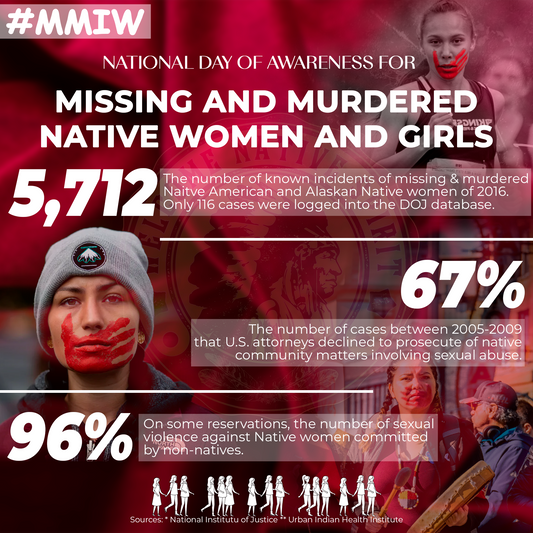
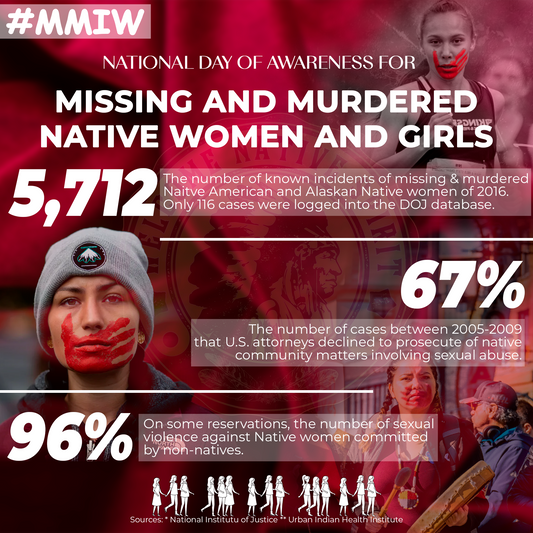
It shows up in health disparities, suicide rates, missing Indigenous women and girls, and distrust in institutions.
History does not disappear.
It settles into the present.
A Question That Remains
If more than 350 schools operated.
If tens of thousands of children were removed.
If thousands died.
Why did so few people know?
And more importantly:
What does justice look like now?
Is it an apology?
Is it compensation?
Is it language revitalization?
Or is it simply telling the truth — clearly, without minimizing the numbers?
The Truth Is Not an Attack
Learning this history is not about blame.
It is about understanding.
The boarding school system was not a small mistake in policy.
It was a coordinated federal effort to erase identity.
And yet, despite everything, Native communities are still here.
Languages are being revived.
Ceremonies continue.
Grandparents are telling their grandchildren stories that almost disappeared.
That survival is not accidental.
It is resilience.
Final Reflection
The classrooms were quiet.
The graves were unmarked.
The files were closed.
But the memories remained.
The question for us today is simple:
Will we continue walking past those buildings as if they were ordinary schools?
Or will we look closer and acknowledge what happened inside?
Because caring does not change the past.
But refusing to care guarantees we learn nothing from it.
EVERY CHILD MATTERS


10 Comments
What was done in the past is horrific and future generations have suffered from it. Even today, partially because in the ‘50s and even later Indians were depicted as savages, native peoples are still harassed. We must all face the facts of history, remember it and learn the truth.
What saddens me also is that the so called teachers, were Catholic Nuns… Supposedly lovers of God……..😞
ALL the Presidents at the time it began and after including trump should be held accountable for what happened then and what is going on NOW on the REZs
My mother taught me that we need to care and respect the native Americans. In my heart I have always cherished them. I have read and studied the history of the schools and spent much time crying for the children who were tormented and the ones lost. My grandfather was born in South Dakota. We do not know anything about his parents or his life as a child. He was separated from his family because they were very poor and his mother could not feed them. When I was a child, we went to the Dakota’s many times and saw the pow wows and other activities put on the Indians. These memories are precious to me. I try to help some of the schools on the reservation with monetary donations. I know that the injustice can never be erased or forgotten and it breaks my heart. We have learned so very much from the Indians about medicine and ways to live that make our lives so much better. I think our lives could function so much better if we had more native Americans in places of power to make decisions that would help everyone especially the poor children and elders. My love is never ending for these precious people.
Thank you for continuing to educate us about the history of indigenous people as many Americans, both black and white, have never heard anything about the many tragedies they endured and only know what TV and movies depicted. I am 76 years old and was only told of Pocohonus in school and even that was not the truth.